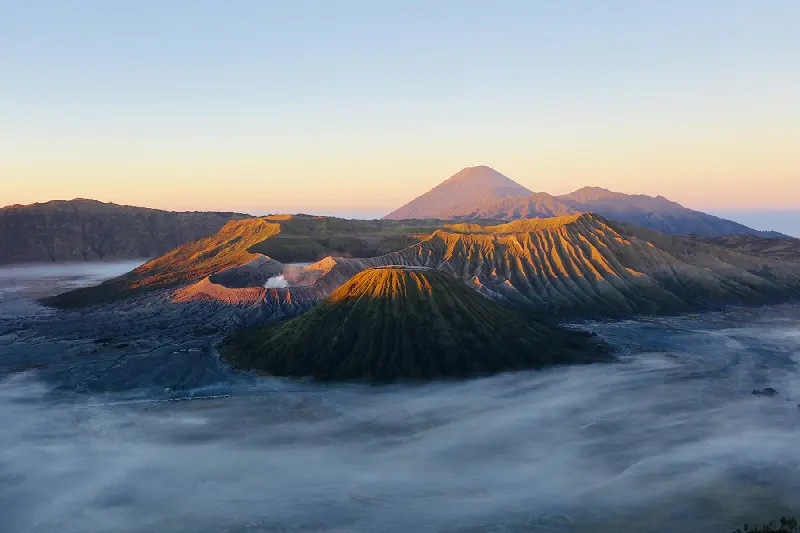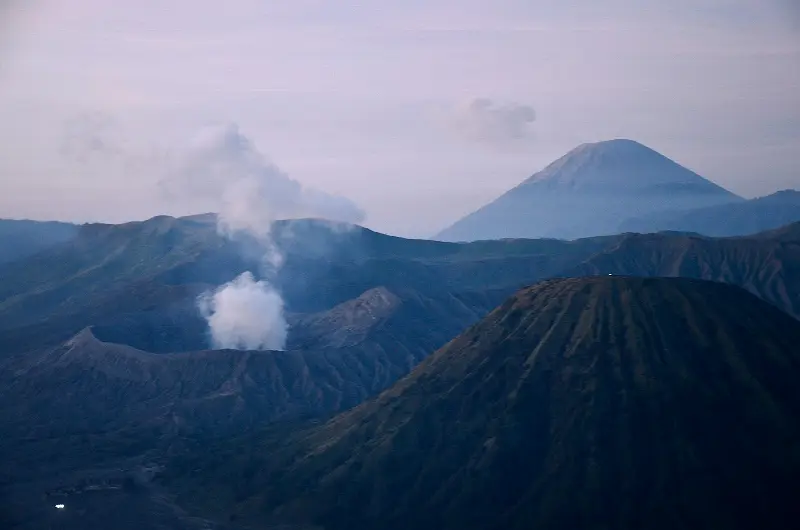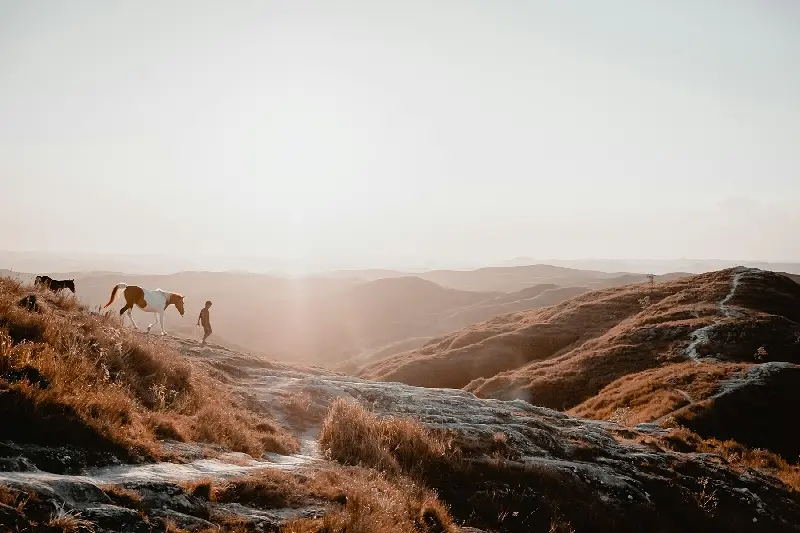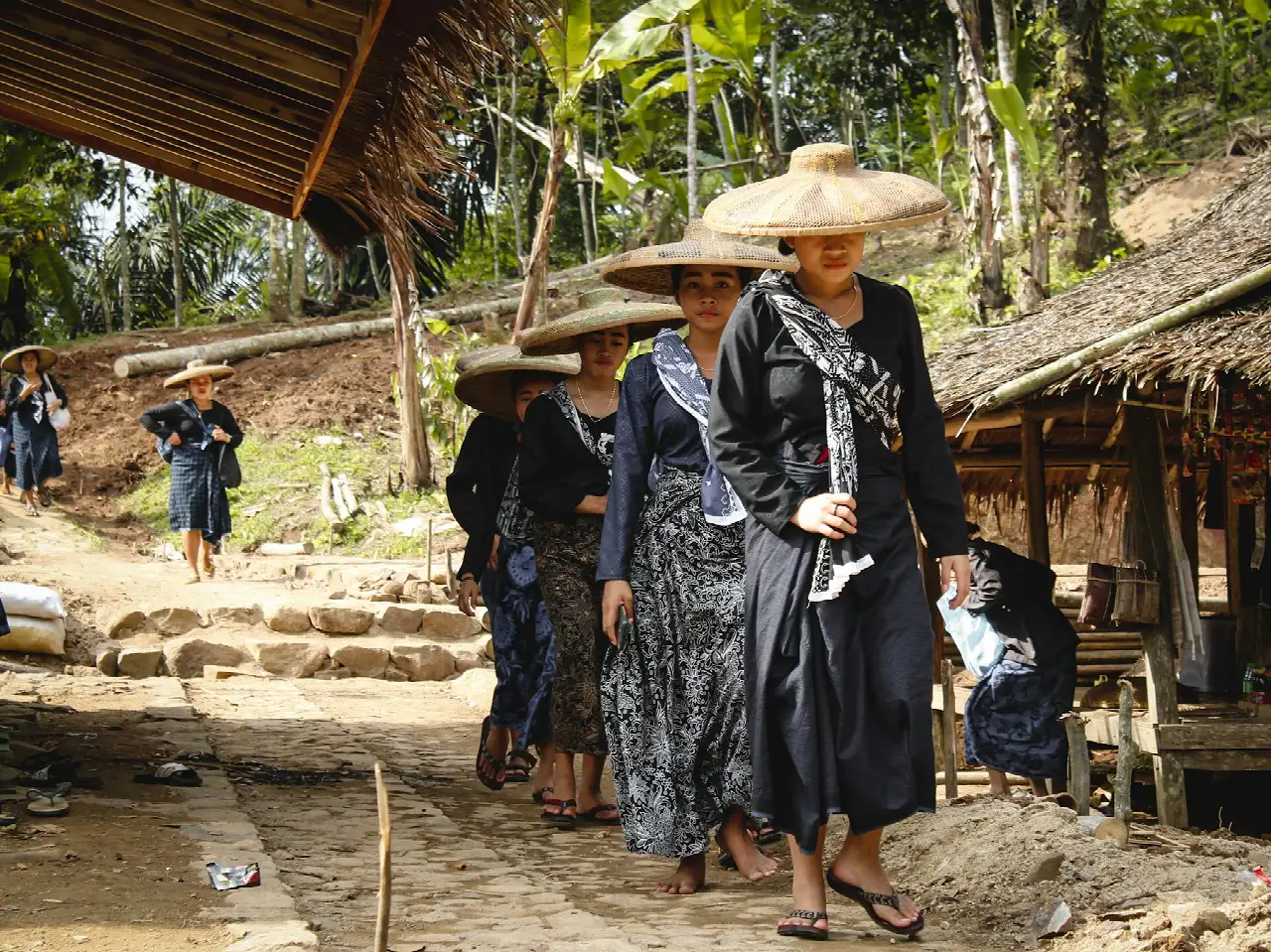
Open trips are appealing because they are simple: the schedule is set, transport and guide are arranged, and you join other participants you may not know. Costs are shared, so a trip to a place hard to reach on your own becomes more sensible.
But that convenience has another side. You travel in a group, on a schedule that can't be negotiated. That is exactly why personal preparation matters more. Here are nine things that often separate participants who enjoy the trip from those who feel overwhelmed.
1. Read the itinerary all the way through
Don't stop at the title and the price. Read the day-by-day order: what time you leave, how long the road or boat journey takes, and when the free time is. From that you can guess how tiring the trip will be. A schedule that starts at midnight, for example to catch a mountain sunrise, means you'll be short on sleep that day.
2. Understand what's included and what's not
The inclusions list is usually split in two: what has been paid for and what you must cover yourself. Transport to the meeting point, meals outside the schedule, certain entrance tickets, or equipment rental often fall on the second side. Note everything down so there are no surprises on site, and prepare a reserve budget.
3. Be honest about your fitness
Even a trip classed as easy can feel hard if you rarely exercise. Pay attention to walking time, altitude, and terrain. If you have a health condition such as asthma or a heart problem, consult a doctor and tell the organiser before you go. It is better to choose a trip that fits your ability than to push yourself and hold the group back.
4. Plan your trip to the meeting point carefully
Many delays happen not at the attraction but at the meeting point. Check the distance and travel time from where you're staying, and arrive earlier than the set time. If you're taking a flight or train to the meeting point, leave enough buffer because delays in public transport are your own responsibility.
5. Pack with layers and dryness in mind
Bring less, but the right things. For mountain and highland trips, layered clothing is more flexible than one thick jacket. For sea trips, prepare spare clothes and a waterproof pouch for your phone and wallet. Some items that are almost always useful:
- A thin rain jacket or poncho.
- Personal medication, plasters, and motion-sickness tablets if you get queasy.
- Sunscreen and a hat.
- A power bank, since not every place has easy charging.
- A small bag for daily essentials and a plastic bag for wet clothes.
- A refillable water bottle.
6. Prepare documents and cash
Bring your original ID and a backup photo or copy. Some areas ask for ID to register participants. Small-denomination cash is useful in places with no ATM or cashless payment, such as traditional villages and small islands, for toilets, snacks, or buying souvenirs from locals.
7. Be ready for limited signal
Beautiful destinations are often far from phone towers. Let your family know before you go, download maps and tickets offline, and decide when you'll check in again. Enjoy the chance to be away from screens, too; many participants say it's the best part.
8. Know the local rules and respect residents
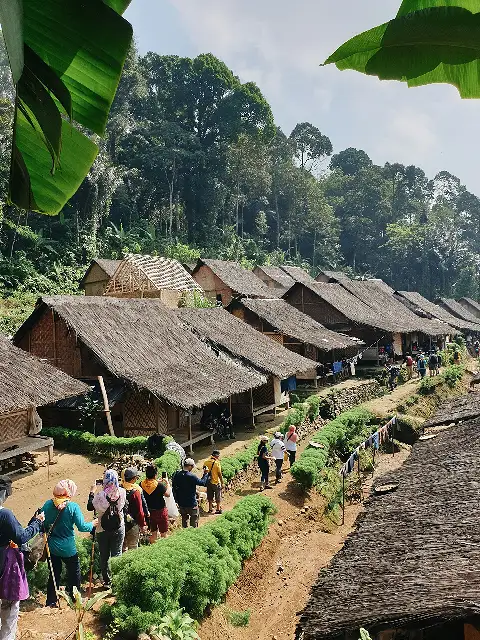
Some places have customary rules or conservation regulations. In indigenous communities, follow your guide's instructions about clothing, photography, and areas you must not enter. In marine areas, don't touch coral or chase wildlife. The principle is simple: leave the place as clean as you found it.
9. Be a good travel companion
On an open trip, your comfort depends on the behaviour of others, and vice versa. Arrive on time, don't keep the group waiting for excessive photos, and tell the guide if you feel unwell. Fellow participants are potential friends, and conversations on the road often become memories as valuable as the scenery.
Questions worth asking the organiser
Before paying, there's no harm in asking directly. A good organiser will be happy to answer:
- How many participants are in one group, and how many guides accompany them?
- What happens if the weather is bad or access is closed? Is the schedule shifted or cancelled?
- Is the accommodation shared or private rooms, and how are rooms allocated?
- What is the procedure if a participant gets sick or needs to leave early?
- What is the policy on date changes and refunds?
Clear answers show the trip is well managed. Vague answers are a reason to think twice.
When things don't go to plan
Nature trips rarely go exactly as written on paper. A boat can leave late because of waves, a trail can be closed by rain, or lunch can be pushed back by two hours. The easiest way to keep your mood up is to remember that guides have usually thought about alternatives. Raise complaints calmly and specifically, not in a busy group chat, and give them a chance to fix things. Flexibility is gear that isn't on any packing list but is the most useful of all.
About booking with UNPAM TRIP
When you book, seats are held temporarily until the payment deadline. A booking is only marked as paid once the payment is confirmed, so complete your payment before time runs out. Keep your booking code, because you can check the status and invoice at any time in your account Dashboard after linking the booking with the booking code and email. Full terms are in the Terms & Conditions and the Refund Policy.
Final thoughts
The best preparation is the kind that leaves you free from worrying about small things when you arrive. Read carefully, be honest about your limits, pack just enough, and come with an open mind. If you're ready to try, see the options on the Open Trip page.