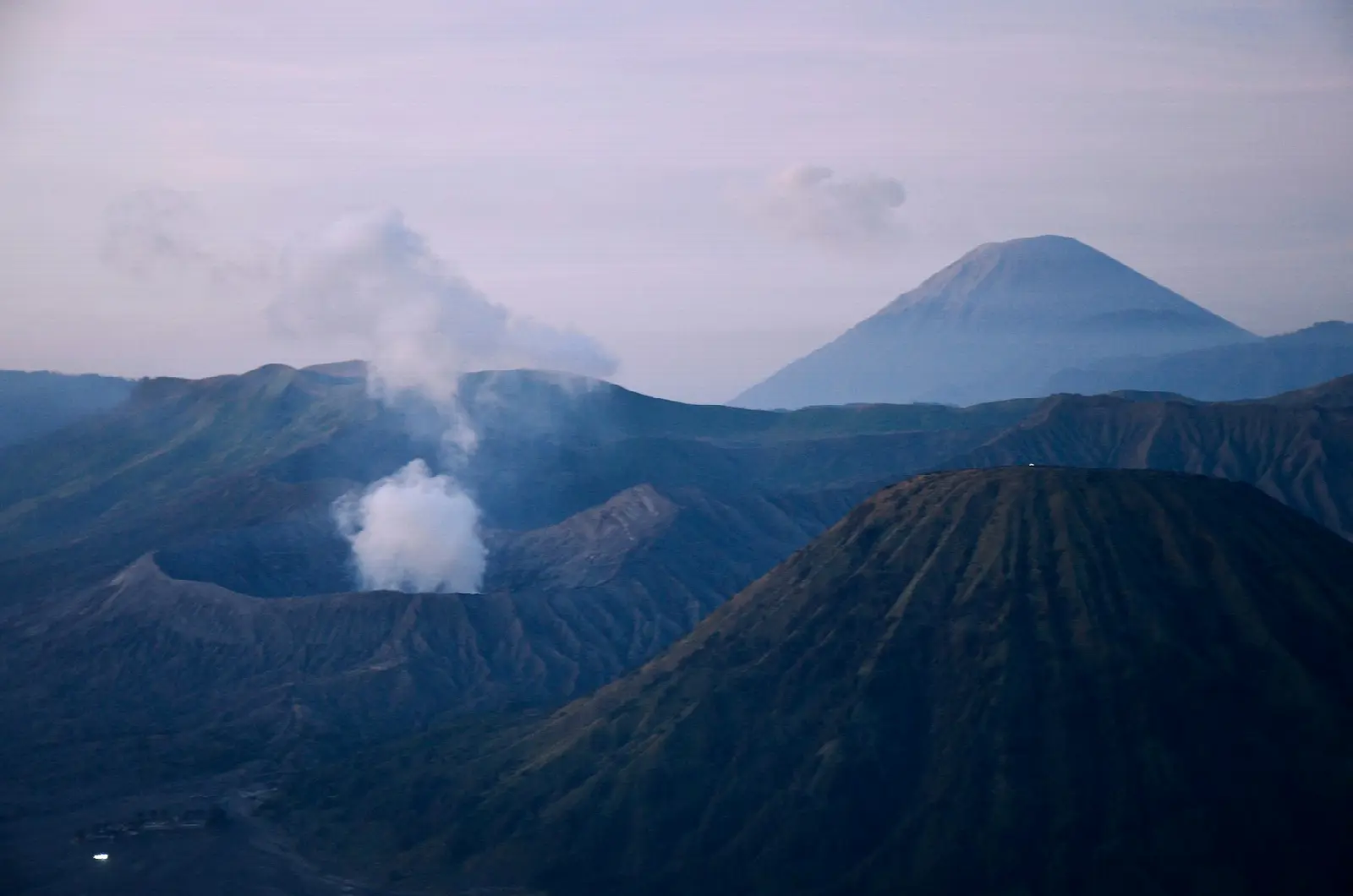
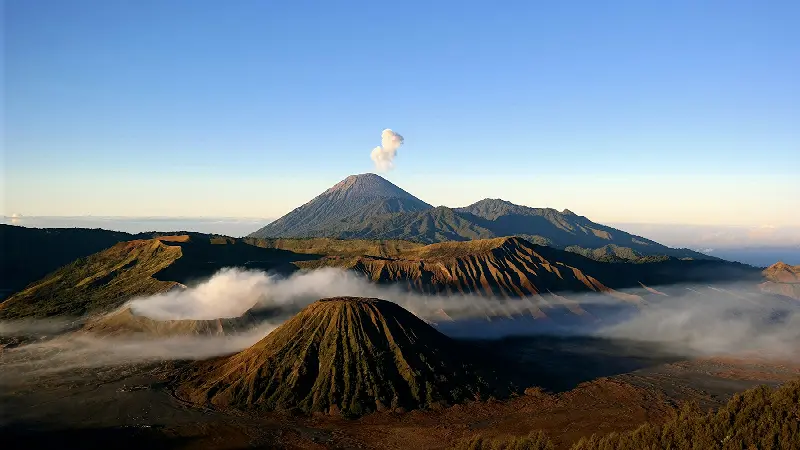
At three in the morning, jeeps line up and climb through the dark to the viewpoint. The air bites, breath turns to mist, and people wait patiently at the wooden railing. Then the sky in the east slowly turns yellow, and out of the mist emerge three shapes familiar from photos: smoking Bromo, Batok as neat as a rice cone, and Semeru behind them. Many people say those minutes are the reason they came.
Bromo is a beginner-friendly destination, but that doesn't mean you can tackle it without preparation. Here you will face biting cold, sand dust, and a schedule that starts long before sunrise. This guide lays out what you need to know, in the order of the real journey.
Getting to know the area you're visiting
Bromo is in Bromo Tengger Semeru National Park, East Java, which spans Probolinggo, Pasuruan, Lumajang, and Malang. Mount Bromo itself is about 2,329 metres high, not as tall as its neighbour Mount Semeru, which at about 3,676 metres is the highest peak on Java. Bromo stands inside a vast caldera whose floor is a sea of sand.
There are three commonly used entrances. From Probolinggo people climb via Cemoro Lawang, from Pasuruan via Wonokitri, and from Malang via Jemplang. The choice of entrance affects the length of the trip and the scenery you pass, so it should be discussed with your trip organiser from the start.
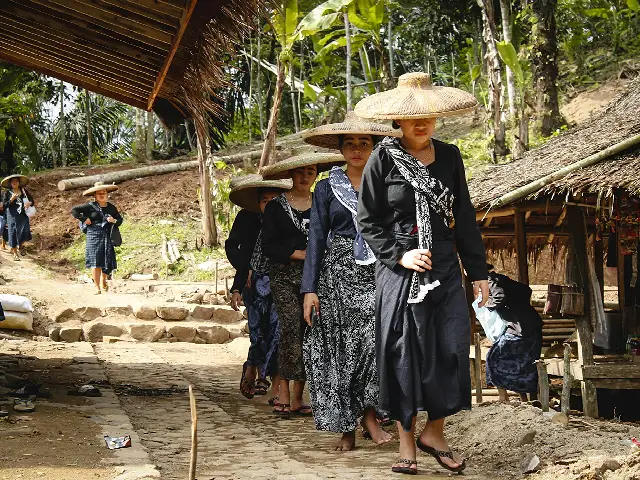
One thing that's often overlooked: this caldera is more than a photo subject. The Tengger people live around it and regard Bromo as a sacred place. Its name is believed to come from the word Brahma. Every year they hold Yadnya Kasada, offering crops to the crater. Remember that as you walk there, and treat the area as someone's home.
The most sensible order of the trip
Penanjakan: waiting for sunrise
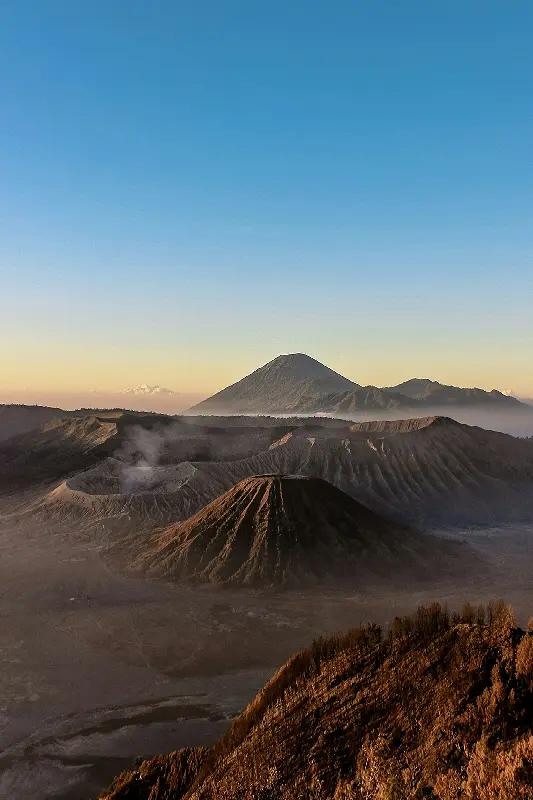
The most popular viewpoint is Penanjakan, about 2,770 metres above sea level. From there you see the caldera from above, with Bromo, Batok, and Semeru lined up. Arrive earlier than you think you need to, because the viewing railing fills quickly and latecomers only get a view of other people's backs.
Don't be disappointed if thick fog hides the view. Bromo is often most dramatic when mist pools on the caldera floor and the peaks poke out above it. Give yourself an extra thirty minutes after the sun appears before heading down.
The sea of sand and Pura Luhur Poten
After descending, the jeep takes you across the sea of sand. In the middle of that grey expanse stands Pura Luhur Poten, where the Tengger people worship, right at the foot of Bromo. Stop briefly to view it from outside, and don't enter the prayer area without permission.
Climbing the stairs to the crater
From the jeep parking area, you walk across the sand and then climb about 250 steps to the crater rim. Walking slowly is normal. The air is thin, the sand is fine, and leftover sulphur stings the nose. At the top, you can see the crater puffing smoke. Stay on the available path and don't go near the crater's edge for a photo.
If you can't climb, that's fine. The view from below is still good, and some people prefer sitting on the sand looking out over the caldera.
The savanna and Whispering Sands
The trip usually ends with a grassland that visitors call Teletubbies Hill, then Whispering Sands, a wide stretch of sand said to whisper because of the sound of wind blowing across the grains. In the dry season the savanna looks brownish, while after rain the grass turns green. Both moods are worth photographing.
When is the best time to come
In general, the dry season from about May to October gives a better chance of clear skies, so sunrise and the mountain silhouettes are sharper. In the rainy season, mist is thicker and trails can be slippery, though the green scenery is beautiful. You still need to weigh the weather on the day, because Bromo can change within hours.
Don't guess at the mountain's condition. It is an active volcano, and its status is monitored by government agencies. The area's managers can close access when conditions are unsafe, so follow official information, for example via Magma Indonesia, and follow the instructions of officers and guides.
What to bring
Cold is the main enemy of beginners. Early-morning temperatures around Penanjakan can drop close to single digits Celsius, and wind makes it feel colder. Dress in layers rather than one thick jacket, because you will overheat climbing the crater stairs.
- A thick jacket, warm socks, gloves, and a head covering.
- A mask or buff for sand dust and the sulphur smell. Clear glasses or sunglasses help when wind carries sand.
- Comfortable shoes that grip well on sand and stairs.
- A headlamp for the pre-dawn leg.
- Small cash notes for toilets and snacks at rest stops.
- A water bottle and simple snacks, but take your rubbish back with you.
A sample one-day flow
Every organiser has its own schedule, but the pattern is generally similar. Treat this as a rough guide, not exact timings:
- Early morning: wake up and leave by jeep from your lodging, usually before four o'clock.
- Just before dawn: arrive at the viewpoint and wait for sunrise.
- Morning: descend to the sea of sand, stop at Pura Luhur Poten, then climb to the crater rim.
- Late morning: enjoy the savanna and Whispering Sands, then return to your lodging for breakfast and rest.
Because of the very early start, many participants feel tired in the afternoon. Leave room for a nap before the journey home, and don't schedule anything heavy afterwards.
Common mistakes
First, packing just any clothes because you assume Java is always warm. Second, chasing photos so hard you forget to enjoy the moment. Third, pushing yourself up to the crater when you aren't fit. Fourth, leaving rubbish on the sand. These small things decide whether you go home with good memories or an aching body.
Final thoughts
Bromo teaches patience: waking up in the dark, waiting in the cold, and then being rewarded with something brief yet unforgettable. Prepare your clothing, respect Tengger traditions, and give yourself a moment of stillness. If you'd like to go without the hassle of arranging jeeps and schedules, see the packages on the Mount Bromo page and pick a date that suits you.