Almost every beginner hiker goes through the same thing: a pack so full that your shoulders ache before the first checkpoint, yet the jacket you actually needed was left behind. Packing for a two-day, one-night mountain trip isn't about bringing a lot, but about bringing the right things and putting them in the right place.
This guide is meant for short trips usually done through open trips, where a guide handles the trail and part of the logistics. Because every organiser's policy differs, always check this list against the inclusions of the package you choose.
Why packing decides how comfortable your hike is
On a mountain, the temperature drops as the altitude rises, wind makes the cold worse, and the weather can change within hours. Wet clothes and an overly heavy pack are the two most common reasons hikers get exhausted or cold. Both can be avoided at home.
A common rule of thumb among hikers: try to keep your pack weight under about one-fifth to one-quarter of your body weight. For a two-day trip, most people do fine with a pack of around 30 to 40 litres. If the pack feels crammed, there is almost certainly something you don't need.
Clothing: think in layers
The key principle is layering. Your body generates heat while hiking and loses it when you stop, so you need to be able to add and remove layers quickly.
- Base layer: a quick-dry T-shirt. Avoid cotton, as it absorbs sweat and dries slowly, leaving you cold when you stop.
- Mid layer: a fleece or light warm jacket to hold in heat at rest stops and at night.
- Outer layer: a lightweight rain jacket or windbreaker.
- Trousers that are comfortable to move in and dry quickly, plus one set of sleepwear kept dry in a waterproof bag.
- At least two spare pairs of socks, a hat or buff, and gloves for hikes in cold places.
Footwear and trail gear
Shoes are the most important investment. Choose a pair that fits well, that you've already walked long distances in, and that has treaded soles so you don't slip on wet ground. Brand-new shoes you haven't broken in are a recipe for blisters. Practise by walking in them a few times before the big day.
Other items worth putting on the list:
- A headlamp with spare batteries, because hikes often begin before sunrise.
- Water bottles with a total capacity of around two litres for a day hike, more if the trail has few water sources.
- Trekking poles if your knees are sensitive; they help especially on the way down.
- A rubbish bag to carry all your trash back down.
- A power bank, small-denomination cash, and a copy of your ID.
Food and drink
Bring food that is energy-dense and easy to eat while walking, such as bread, dates, nuts, chocolate, or biscuits. Eating a little but often is better than waiting until you're hungry. Make sure you also drink before you feel thirsty, because dehydration at altitude often goes unnoticed until it's too late. Ask the organiser whether meals and water are provided so you don't carry double.
Health and personal safety
Prepare any personal medication you take regularly, blister plasters, headache tablets, and a balm or medicated oil. If you have a history of asthma, heart problems, or knee injuries, consult a doctor first and tell your guide. Being honest about your condition matters more than pride in reaching the summit.
How to pack your bag
Heavy items should go close to your back and in the middle of the pack so the weight doesn't pull you backwards. Things you'll use often, such as a rain jacket, snacks, and a water bottle, go at the top or in the side pockets. Sleepwear and spare clothes go in a waterproof bag at the bottom. That way you don't have to unpack everything just to get one item.
The most common mistakes
Bringing too many changes of clothes, forgetting the headlamp, wearing new shoes, assuming the weather will stay clear all day and skipping the rain jacket, and leaving rubbish on the trail. That short list covers most of the problems out in the field.
Final thoughts
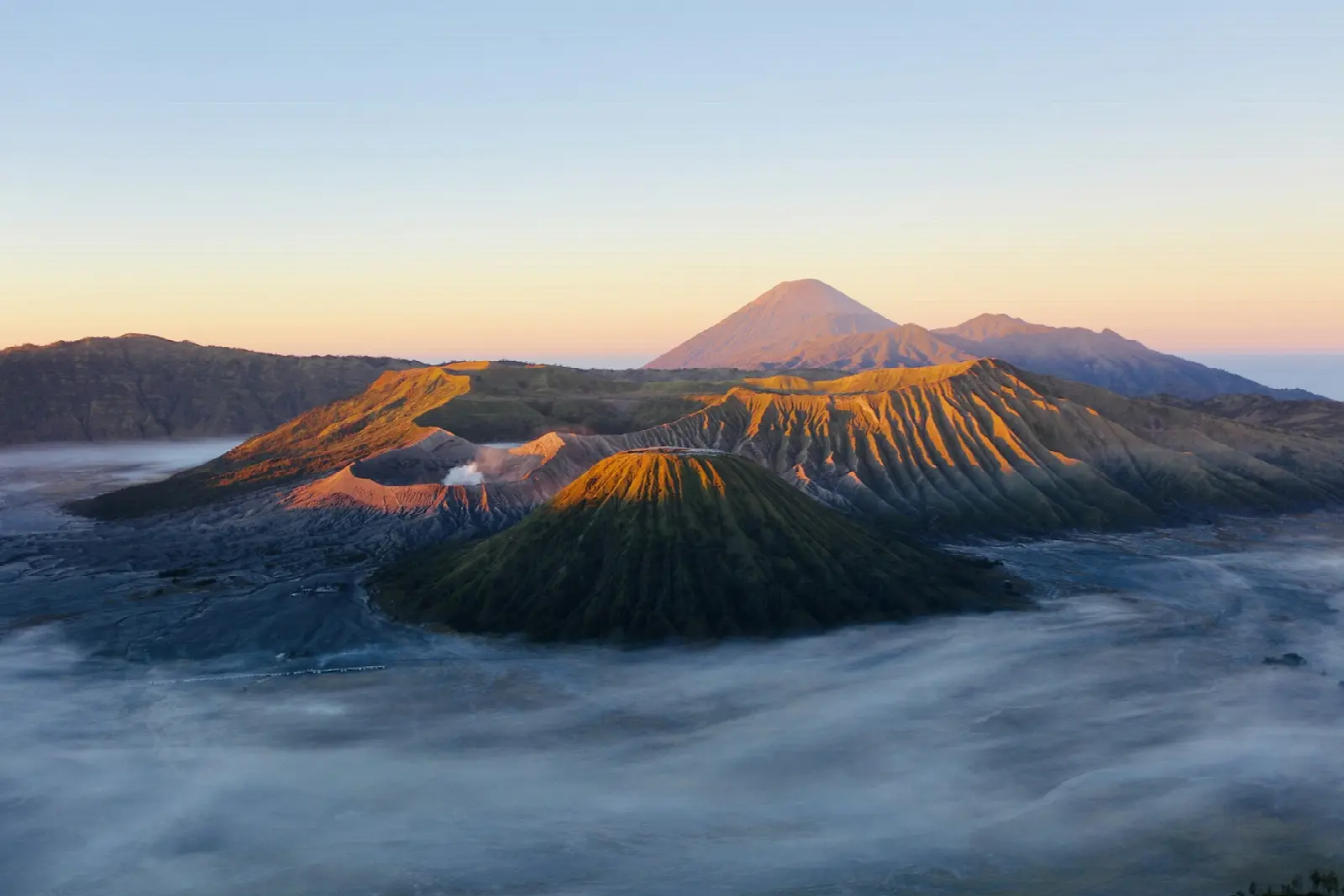
A good pack is one you don't think about while hiking. Choose layered clothing, shoes your feet already know, and bring little but complete. If you want to experience your first hike with a guide who manages the route and schedule, see the packages on the Ijen Crater or Mount Bromo page.